
gold lighted mirror
Understanding and Maintaining 8AN Check Valves Ensuring Smooth Fluid Flow in High-Performance Systems In the realm of high-performance automotive engineering and fluid systems management, the role of components like the 8AN check valve cannot be overstated. These small but crucial devices play a pivotal role in maintaining directional flow, enhancing system efficiency, and preventing potentially damaging backflows. This article delves into the specifics of 8AN check valves, their function, importance, and maintenance practices to ensure optimal performance in various applications. What is an 8AN Check Valve? An 8AN check valve refers to a type of valve designed specifically for use in high-pressure fluid systems, typically in automotive or industrial applications. The '8AN' designation signifies the size and compatibility with 8AN (AN8) fittings, a standard in the industry that denotes an 8-size hose with an outside diameter of approximately 19.1mm. This standard ensures compatibility across different parts and systems, making it a versatile choice for numerous applications. Check valves, in general, are one-way directional valves that permit fluid flow in a single direction while automatically closing to prevent reverse flow. The 8AN variant is designed to handle high-flow rates and pressures, making them ideal for fuel systems, oil lines, coolant circuits, and nitrous oxide setups in performance vehicles. Functionality and Importance The primary function of an 8AN check valve is to safeguard the system against unwanted reverse flows that can lead to system inefficiencies, component damage, or even failure. In racing cars, for instance, when the throttle is suddenly released, a pressure surge can occur, threatening to push fuel back through the lines. An 8AN check valve installed correctly prevents this backflow, ensuring consistent fuel delivery to the engine and maintaining peak performance. Moreover, these valves are vital in applications where maintaining a prime in the system is critical, such as fuel pumps. By preventing fluid from draining back when the pump is off, they ensure quick and reliable startups. Design and Varieties 8AN check valves come in various designs to suit specific application requirements Design and Varieties 8AN check valves come in various designs to suit specific application requirements Design and Varieties 8AN check valves come in various designs to suit specific application requirements Design and Varieties 8AN check valves come in various designs to suit specific application requirements 8an check valve . The two most common types are spring-loaded and ball-type check valves. Spring-loaded valves utilize a spring to keep the valve closed until the forward pressure overcomes the spring force, allowing fluid to pass. Ball-type valves employ a free-floating ball that seals against a seat until the pressure differential forces it open. Materials used in construction range from lightweight aluminum for its heat resistance and durability, to stainless steel for added strength and corrosion resistance, depending on the fluid being handled and the operating environment. Maintenance and Troubleshooting Proper maintenance is essential to ensure the longevity and effectiveness of 8AN check valves. Regular inspection for signs of wear, damage, or clogging should be part of any maintenance routine. It's crucial to clean or replace the valve if debris is found obstructing its operation. Additionally, ensuring proper installation—aligning the valve in the correct orientation with respect to fluid flow—is paramount to its function. Troubleshooting common issues like valve chatter (where the valve repeatedly opens and closes due to pressure fluctuations) may involve adjusting spring tension or replacing worn components. Leaks around the valve usually indicate a need for tightening connections or replacing O-rings or seals. Conclusion The 8AN check valve is a fundamental component in high-performance fluid systems, safeguarding against potentially catastrophic backflows and ensuring consistent fluid delivery. Its selection, installation, and maintenance require careful consideration to match the demands of the application and to preserve the integrity and performance of the entire system. With proper care and attention, 8AN check valves can significantly contribute to the reliability and efficiency of engines and industrial processes alike, demonstrating their value in the intricate dance of modern fluid dynamics.
about
gold lighted mirror
Grounding a Welding Table Ensuring Safety and Efficiency Welding is a crucial process in various industries, from construction to manufacturing. However, it comes with inherent risks, particularly related to electrical hazards. One of the most effective ways to mitigate these risks is by properly grounding a welding table. This article will explore the importance of grounding a welding table, the methods to achieve it, and the benefits that follow. Importance of Grounding Grounding a welding table is vital for a number of reasons. Primarily, it protects the welder from electrical shock. Welding involves high voltages that can be dangerous without proper safety measures. If a welder accidentally touches a live wire or an electrically charged component, grounding ensures that the electrical current has a safe path to the ground, reducing the risk of serious injury. Moreover, effective grounding helps prevent equipment damage. An ungrounded welding table can lead to electrical surges that might damage the welder or other electronic devices in the vicinity. By establishing a reliable grounding system, businesses can save on repair and replacement costs. Additionally, grounding improves the quality of the welded product. Electrical disturbances can create inconsistencies in the welding arc, leading to weak joints and subpar finishes. Grounding the table minimizes these disturbances, resulting in a cleaner and more efficient welding process. Methods to Ground a Welding Table Grounding a welding table involves a few straightforward steps. First, one must determine the grounding needs of the workspace and select appropriate materials. Generally, metal welding tables are grounded using a copper or aluminum grounding wire. 1. Prepare the Welding Table Ensure that the welding table is clean and free from rust or paint in the area where the ground connection will be made . This is crucial for an effective electrical connection. grounding a welding table 2. Choose the Right Grounding Method - Direct Grounding This involves connecting a grounding wire directly from the welding table to a grounding rod that is securely driven into the earth. This method is straightforward and highly effective. - Electrical System Grounding In some facilities, welding tables can be grounded via the building's electrical system. This requires connecting the table to an appropriate grounding terminal on an electrical panel. 3. Connect the Grounding Wire Use appropriate connectors to attach the grounding wire to the welding table. Bolts or clamps made of conductive material should be used to ensure a strong bond. 4. Test the Grounding Connection After installation, it’s important to test the grounding system. A multimeter can be used to check the continuity of the grounding wire and verify that it has a low resistance connection to the ground. Benefits of Proper Grounding The benefits of grounding a welding table extend beyond safety. First and foremost, it enhances the overall safety of the workplace. The reduction of electrical hazards creates a more secure environment for workers, which can improve morale and productivity. Additionally, grounding contributes to higher quality welds. With a stable ground connection, welders can achieve more consistent arcs and better penetration, leading to stronger joints. This not only enhances product quality but also reduces rework and scrap, ultimately improving efficiency. Improved equipment longevity is another significant benefit. Proper grounding can greatly reduce the wear and tear on welding equipment, ensuring that tools and machines last longer and function at their best. Conclusion In conclusion, grounding a welding table is an essential practice that ensures safety, improves efficiency, and enhances the quality of welds. By understanding the importance of grounding and implementing effective grounding methods, welders and organizations can protect both their employees and their equipment. Regular maintenance and testing of grounding systems are also crucial to ensure ongoing safety and effectiveness in the welding process. In a profession where safety is paramount, a well-grounded welding table is not just an option; it is a necessity.
-

High quality industrial productsagement

High quality industrial products
View Details -

Meet the diverse needs of customers

Meet the diverse needs of customers
View Details -

Strict quality control

Strict quality control
View Details -

Top raw materials

Top raw materials
View Details -

Trusted supplier

Trusted supplier
View Details
Our application

news and information

Wood Fence Post Caps Enhance Your Outdoor Space with Stylish and Durable Options for Fencing
The Importance and Aesthetic Appeal of Wood Fence Post Caps Fencing has long been an essential compo
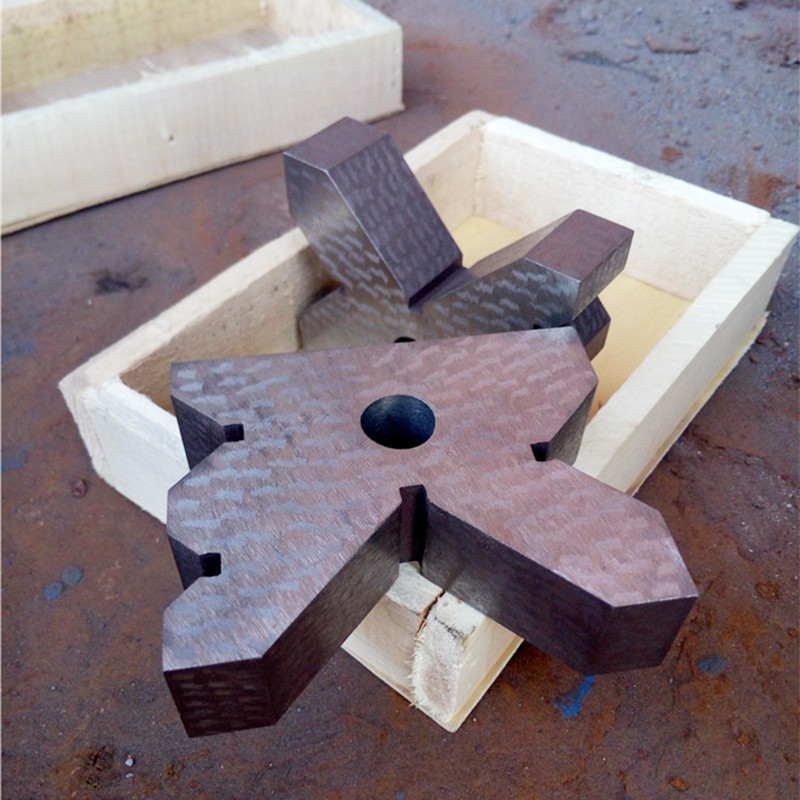
Wood Fence Post Cap
Wood Fence Post Caps Enhancing the Beauty and Functionality of Your Outdoor Space A wood fence post
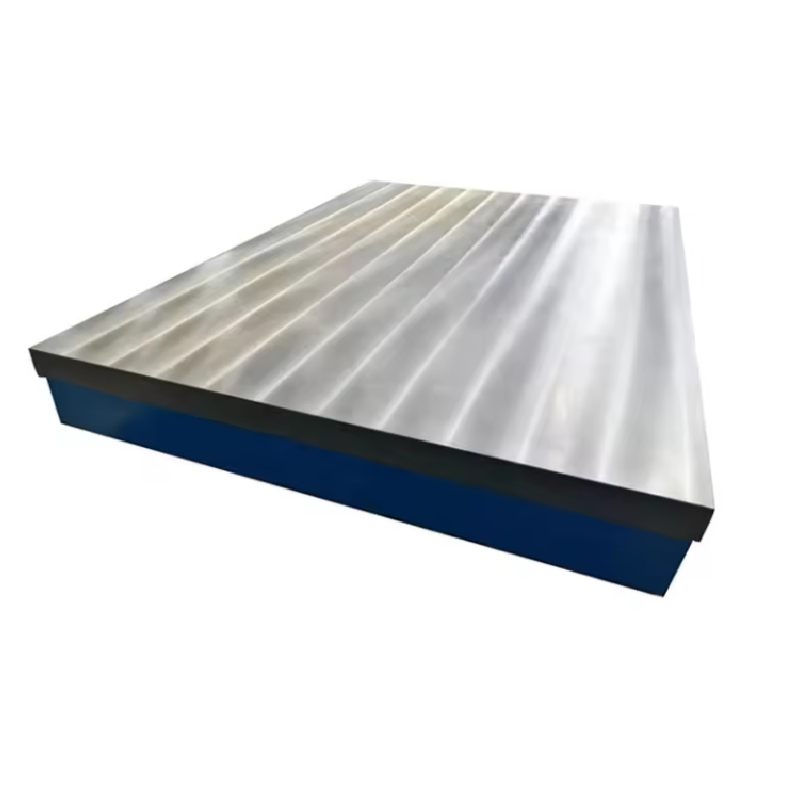
Valvola di ritegno 6an per sistemi idraulici e pneumatici di alta qualità
Il settore industriale moderno richiede soluzioni efficienti per il controllo del flusso di fluidi,
 English